






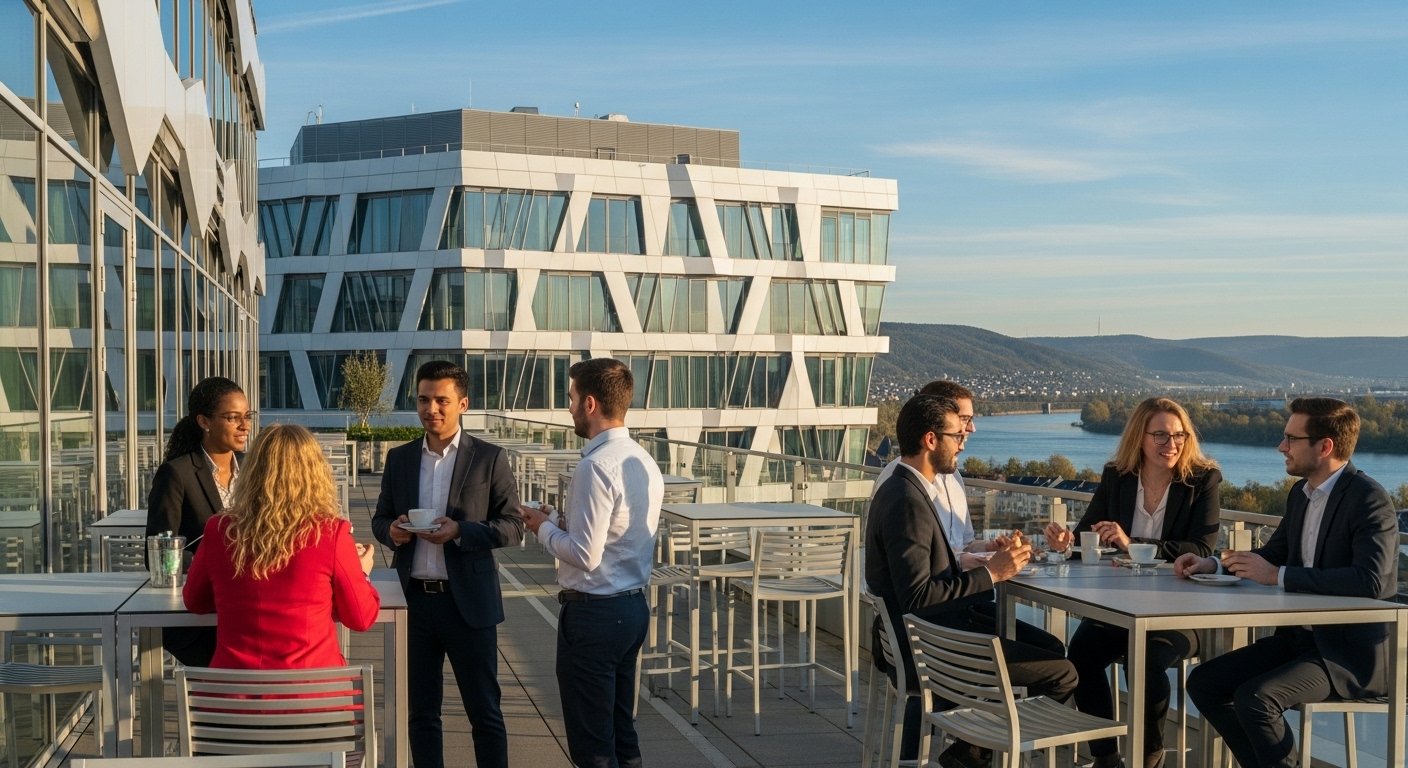
Imagine wrapping up a presentation on your latest PhD chapter about carbon pricing mechanisms. Instead of polite nods from a distant audience, you receive pointed yet constructive questions from peers who truly get the nuances of resource management modeling. That is exactly the kind of supportive environment AURÖ delivers for early-career researchers like you. If you are a PhD student, post-doctoral researcher, or junior academic specializing in environmental and resource economics, this network could become your most valuable professional home in the German-speaking academic world.
What Exactly Is AURÖ and Why It Matters for Young Researchers
AURÖ stands for Ausschuss für Umwelt- und Ressourcenökonomik, the Standing Field Committee on Environmental and Resource Economics within the Verein für Socialpolitik (the German Economic Association). It functions as a dedicated hub that connects scholars passionate about tackling climate change, biodiversity loss, and sustainable resource use through rigorous economic analysis. Unlike broader associations that can feel overwhelming, AURÖ keeps things focused and intimate. It prioritizes the next generation of thinkers who will shape policy on everything from energy transitions to land-use economics.
For young researchers, AURÖ matters because it fills a crucial gap. Large conferences like the EAERE annual meeting offer prestige but often leave limited time for deep feedback on work-in-progress. AURÖ flips that script. It creates a low-pressure space where you can test ideas early, refine your doctoral thesis chapters, and build genuine relationships with mentors and collaborators across Germany, Austria, and Switzerland. Many participants describe it as the place where their research truly levels up before facing bigger stages.
The Highlight of the AURÖ Calendar: The Annual Workshop for Young Researchers
At the heart of AURÖ sits its signature event, the annual AURÖ workshop for young researchers in environmental and resource economics. This gathering rotates between leading institutions and consistently draws dozens of PhD students and postdocs eager to share ongoing work. Take the 2025 edition hosted at ZEW Mannheim in partnership with the University of Mannheim. Over two packed days in February, participants dove into topics ranging from the energy-efficiency gap during the German energy crisis to the long-term effects of natural disasters on well-being and even the social cost of carbon in emerging economies.
The 2026 workshop followed a similar successful format at Leipzig University in early March, featuring keynotes from experts like Lutz Sager on air pollution damages and Maria Waldinger on historical environmental legacies. These events stay deliberately compact and focused, which means every paper receives dedicated time for discussion rather than getting lost in the crowd.
What to Expect at an AURÖ Workshop: Format, Feedback, and Community Vibes
Walk into an AURÖ workshop and you will notice the difference immediately. Sessions run in parallel tracks with a clear structure designed for depth: 20 minutes for your presentation, 5 minutes from a designated discussant who has read your paper in advance, and then 10 minutes of open floor discussion. No one rushes you. The atmosphere stays encouraging yet rigorous, exactly what you need when presenting sensitive early-stage findings on economic modeling or policy instruments.
Coffee breaks and evening dinners turn into natural networking hubs. You might chat with someone whose work on household greenhouse gas footprints complements your own research on border carbon adjustments. Many participants leave with new co-author contacts, job leads, or simply the confidence that their questions around resource management matter to the wider field. The workshop also maintains strong ties to EAERE, so the connections you make here often open doors to larger European opportunities.
| Aspect | AURÖ Workshop | Large Conferences (e.g., EAERE Annual) |
|---|---|---|
| Audience size | Intimate (dozens of peers) | Hundreds to over a thousand |
| Feedback style | Dedicated discussant + extended Q&A | Short comments, often rushed |
| Focus | Work-in-progress and thesis chapters | Polished, completed papers |
| Networking feel | Peer-to-peer and supportive | Competitive and fast-paced |
| Ideal for | Early-career skill-building | Established visibility |
This comparison shows why so many young researchers return year after year. It is not about competing for spotlight. It is about growing together in environmental and resource economics.
How to Participate: Practical Steps for Your First AURÖ Workshop
Getting involved is straightforward and accessible. Organizers typically issue a call for papers in the fall, with a deadline around late November. You submit an extended abstract or draft paper through the official channel, usually listed on the ZEW Mannheim site or the AURÖ committee page. Priority goes to PhD students and postdocs from German-speaking countries, but the doors stay open to motivated early-career researchers elsewhere.
Here are five quick tips to strengthen your submission and experience:
- Tailor your abstract to highlight the policy relevance of your economic modeling or empirical findings.
- Choose a topic that fits ongoing debates, such as climate policy mixes, biodiversity valuation, or sustainable investment preferences.
- Prepare for the discussant by having clear slides and a one-page summary ready.
- Book accommodation early, since workshops often occur at research institutes with limited nearby options.
- Follow up after the event by connecting on LinkedIn or emailing presenters whose work resonated with yours.
Participation fees remain modest or waived for presenters, and travel grants sometimes become available through affiliated institutions. Check the latest details on the ZEW events page or the EAERE other-events listing, as calls appear there first.
Real Career Value: How AURÖ Boosts Your Path in Environmental and Resource Economics
The returns show up fast. Presenters often refine their doctoral thesis chapters based on feedback they could not have received anywhere else. One recent participant, for example, adjusted her analysis of normative appeals in team cooperation after sharp but kind comments from peers. Others have turned workshop discussions into joint projects that later appeared in top journals.
Beyond papers, AURÖ builds your professional network in ways that matter for post-doctoral positions, tenure-track applications, and policy advisory roles. Senior members of the committee frequently attend and quietly note promising talent. The community-oriented spirit also combats the isolation many young researchers feel when buried in data on resource management or climate econometrics. You leave energized, not exhausted.
Beyond the Workshop: The Wider AURÖ and EAERE Connections
AURÖ does not stop at the annual workshop. The committee organizes sessions at the broader Verein für Socialpolitik conferences and maintains close links with EAERE activities. Membership in the wider network gives you access to job-market resources, policy roundtables, and updates on funding opportunities in environmental economics. Whether you specialize in theoretical modeling or applied empirical work, you will find collaborators who speak your language, literally and figuratively.
Next Steps: Join the AURÖ Community and Advance Your Research
Ready to take the plunge? Start by bookmarking the official AURÖ resources and setting a reminder for the next call for papers. Polish that draft on your current project in environmental and resource economics, then submit it with confidence. You will gain feedback that sharpens your thinking, connections that open doors, and a community that cheers your progress.
The next AURÖ workshop for young researchers could be the turning point in your academic journey. Do not wait on the sidelines. Dive in, share your ideas, and help shape the future of sustainable policy through rigorous economic insight. Your colleagues in the AURÖ network are already looking forward to meeting you.
You May Also Like: CastleLearning: Revolutionizing Classroom Assessment & Practice (Without the Grading Nightmare)
FAQs
Who is eligible to participate in the AURÖ workshop?
Primarily PhD students and post-doctoral researchers in environmental and resource economics from Germany, Austria, and Switzerland, though motivated early-career academics from elsewhere are welcome to apply.
Does the AURÖ workshop require a completed paper?
No. Organizers encourage submissions of ongoing work, such as doctoral thesis chapters or preliminary empirical results, because the event focuses on constructive feedback rather than polished presentations.
Is there a registration fee for the AURÖ workshop?
Fees are typically low or waived for accepted presenters. Check the specific call for papers for the latest details, as organizers often prioritize accessibility for young researchers.
How does the feedback process work at AURÖ events?
Each presenter receives a dedicated discussant who has read the paper beforehand, followed by structured discussion time. This format delivers targeted insights you rarely get at larger conferences.
How is the AURÖ workshop connected to EAERE?
AURÖ maintains strong visibility within EAERE listings and shares many members. Participation here often serves as excellent preparation for EAERE conferences and other European opportunities.
When and where do AURÖ workshops usually take place?
The annual event rotates between research institutes and universities in Germany. Recent editions included ZEW Mannheim in 2025 and Leipzig University in 2026, with calls for papers issued the previous fall.
Can I attend the AURÖ workshop without presenting?
Yes, though priority goes to presenters. Non-presenting attendees can still join discussions, network during breaks, and benefit from the community atmosphere.