
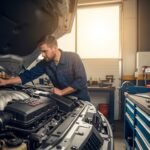






Picture this: You’re cruising down the highway in your trusty V6, radio blasting, when bam, the check engine light flickers on. A quick scan with your OBD2 tool reveals the culprit: p0174. Your engine is running lean on bank 2. Don’t panic. This code is super common, and in many cases, you can diagnose and even fix it yourself without breaking the bank. In this guide, we’ll break down exactly what p0174 means, the symptoms to watch for, likely causes like vacuum leaks or a dirty mass airflow sensor, and step-by-step troubleshooting so you can get your ride back to running smooth.
If you’ve ever dealt with a check engine light before, you know how frustrating it can be. One minute your car is purring along perfectly, and the next it’s throwing codes that sound like a foreign language. But p0174 system too lean bank 2 isn’t as scary as it seems once you understand the basics. We’ll keep things practical and straightforward, like chatting with a buddy in the garage over a cold drink. Whether you’re a weekend DIY mechanic or just a car owner who wants to avoid unnecessary shop visits, this article has you covered.
What Does the P0174 Code Really Mean?
At its core, p0174 tells your Powertrain Control Module (or PCM for short) that the air-fuel ratio on bank 2 of your engine is running too lean. In plain English, that means there’s too much air mixing with the fuel, or not enough fuel getting to the cylinders on that side. Your engine wants a perfect balance, roughly 14.7 parts air to 1 part fuel for most gasoline engines. Think of it like baking a cake: too much flour and not enough butter, and the whole thing falls flat. Same idea here, except instead of a ruined dessert, you get rough running, poor gas mileage, or even engine damage over time.
Bank 2 refers to the side of the engine without cylinder number one. On most V6 or V8 engines, bank 1 is the driver’s side (in left-hand drive cars), so bank 2 is the passenger side. This detail matters because it points you toward specific areas to check. Unlike a generic lean code, p0174 narrows it down, helping you focus your efforts instead of tearing apart the whole engine.
The PCM relies on data from sensors like the mass airflow sensor, oxygen sensors, and fuel pressure readings to make these calculations. When it detects the mixture straying too far from ideal (usually more than 25 percent lean for too long), it sets the p0174 code and turns on that dreaded light.
Symptoms of P0174 Engine Code: What to Watch For
Don’t ignore the warning signs. A p0174 code rarely shows up alone, and catching it early can save you from bigger headaches. Here are the most common symptoms drivers report:
- Check engine light stays on or flashes intermittently.
- Rough idle, especially when the engine is cold or at stoplights.
- Hesitation or stumbling during acceleration, like your car is struggling to keep up.
- Reduced power, particularly on hills or when merging onto the highway.
- Poor fuel economy, sometimes dropping by 10 to 20 percent or more.
- Engine misfire, which might feel like a slight shake or pop under load.
- Strong exhaust smell or black smoke in severe cases (though lean conditions usually burn cleaner).
If your vehicle is a V6 engine, you might notice these issues more on one side, or the misfires could cluster on cylinders 4, 5, or 6. Many owners first spot the problem after a recent modification, such as installing a cold air intake, which can introduce new air paths and trigger p0174 code after cold air intake install.
Common Causes Behind a P0174 Lean Condition
The good news? Most p0174 issues trace back to a handful of culprits. Here’s a rundown of the usual suspects, ranked roughly from most to least common based on real-world repairs:
- Vacuum leaks: These top the list because even a tiny crack in a hose, intake manifold gasket, or PCV valve can let unmetered air sneak in. On bank 2 specifically, check the passenger-side components first.
- Dirty or faulty mass airflow sensor: The mass airflow sensor measures incoming air. If it’s coated in dirt or oil from a poorly installed filter, it sends bad data, making the computer think there’s less air than there actually is (so it adds too little fuel).
- Fuel delivery problems: Clogged fuel injectors on bank 2, a weak fuel pump, or a failing fuel pressure regulator can starve the engine of fuel.
- Oxygen sensor issues: A bad O2 sensor might report incorrect readings, fooling the PCM into leaning out the mixture.
- Exhaust leaks before the oxygen sensors: These can pull in extra air and skew sensor data.
- Intake manifold gasket failure: Especially common on older V6 engines where heat cycles loosen things up.
- Powertrain Control Module glitches: Rare, but a faulty PCM can misinterpret sensor data.
Other less common triggers include bad wiring, contaminated fuel, or even a failing fuel trim system. If you’ve recently worked on the engine, think about what changed right before the code appeared.
Step-by-Step: How to Diagnose P0174 Like a Pro
Diagnosis is where the real empowerment happens. You don’t need a fancy shop to get started. Grab a good OBD2 scanner that reads live data (under $50 on Amazon works fine for most folks), basic hand tools, and maybe a can of carb cleaner for testing. Here’s your troubleshooting p0174 on V6 engine playbook:
- Scan and check fuel trims: Connect your scanner and look at short-term and long-term fuel trims for bank 2. Positive numbers over 10-15 percent mean the computer is adding fuel to compensate for a lean condition. Bank 2 trims high while bank 1 stays normal? That’s your smoking gun pointing to a bank-specific issue.
- Visual inspection: Pop the hood and hunt for cracked vacuum hoses, loose intake boots, or oil around the mass airflow sensor. Wiggle wires and listen for hissing sounds at idle.
- Spray test for vacuum leaks: With the engine running, spray carb cleaner or brake cleaner around suspected areas. If the idle smooths out or RPMs jump, you’ve found a leak. (Do this carefully in a well-ventilated spot.)
- Smoke test: If the spray test doesn’t reveal anything, rent or buy a smoke machine. It fills the intake with smoke so leaks puff out visibly. This is gold for finding those hidden intake manifold gasket problems.
- Clean the mass airflow sensor: Remove it (usually two screws), spray with dedicated MAF cleaner (not brake cleaner), let it dry, and reinstall. Many p0174 issues vanish after this simple step.
- Test fuel pressure: Hook up a gauge to the fuel rail. It should hold steady around 40-60 psi depending on your vehicle. Low pressure points to pump or regulator issues.
- Check oxygen sensors and injectors: Use your scanner for O2 sensor voltages. If needed, pull injectors for ultrasonic cleaning or replacement.
Take your time with these steps. Many DIYers solve their p0174 vacuum leak in an afternoon.
How to Fix P0174: From Quick Wins to Bigger Jobs
Once you pinpoint the cause, fixing it is usually straightforward. Here’s how to tackle the big ones:
- For vacuum leaks: Replace cracked hoses or the intake manifold gasket. Torque everything to spec and use new gaskets.
- Mass airflow sensor cleaning: As mentioned, it’s cheap and easy. If cleaning doesn’t help, a new sensor runs $50-150.
- Fuel injectors: Clean them yourself with a kit or replace the bank 2 set for around $200-400.
- Oxygen sensors: Swap them out every 100,000 miles anyway. Bank 2 sensor costs about $50-100.
- Fuel pressure regulator or pump: These are a bit more involved but doable with basic mechanical skills.
Always clear the code after repairs and test drive to verify. If the light stays off and trims return to normal, you’re golden.
P0174 Code vs P0171: What’s the Difference?
People often see p0174 and p0171 together or wonder why only one bank trips. P0171 is the same lean condition but for bank 1. If both codes appear, suspect a shared problem like the mass airflow sensor or main fuel supply. One code only? Look for issues isolated to that bank, such as a specific vacuum leak or clogged injector. Understanding this helps you zero in faster and avoid replacing parts you don’t need.
Special Case: P0174 Code After Cold Air Intake Install
If you just bolted on a cold air intake and the code popped up, congratulations, you’re not alone. New intakes can create tiny leaks at the connections or alter airflow enough to confuse the stock mass airflow sensor calibration. Double-check all clamps and boots for tightness, and consider a relearn procedure for the PCM (disconnect the battery for 10 minutes). Some folks need a tune or upgraded sensor to match the new setup.
Cost to Fix P0174 Lean Condition
Repairs range widely depending on the root cause. A simple mass airflow sensor cleaning costs almost nothing. Vacuum leak fixes might run $100-300 in parts. Full intake manifold gasket replacement on a V6 could hit $400-800 at a shop, but DIY brings it down to $150-300. Injectors or a fuel pump push toward $500-1,200. Labor at a dealership adds up fast, so tackling it yourself can save hundreds. Always get quotes from a couple of trusted mechanics if you’re unsure.
Prevention Tips to Keep Lean Codes at Bay
Stay ahead of problems by:
- Replacing air filters on schedule and avoiding oiled filters that gunk up the mass airflow sensor.
- Checking vacuum lines and gaskets during oil changes.
- Using quality fuel and additives occasionally to keep injectors clean.
- Scanning for codes early instead of waiting for the light to nag you.
Regular maintenance really does pay off.
Wrapping It Up: Take Charge of Your Engine Health
A p0174 code doesn’t have to mean expensive downtime or mystery shop bills. With the right approach, most owners can track down the issue, whether it’s a sneaky vacuum leak or a dirty mass airflow sensor, and get back on the road quickly. Remember, your engine is trying to tell you something through that code. Listen closely, follow the steps, and you’ll feel like a pro mechanic in no time.
3 Actionable Steps to Get Started Today
- Scan your codes and note the fuel trims right away.
- Perform a quick visual check and MAF cleaning this weekend.
- If it persists, do the spray test for vacuum leaks before heading to the shop.
What do you think? Have you dealt with a p0174 code before? Drop your experiences in the comments. I’d love to hear what worked for you and help others learn from it.
You May Also Like: Essential Automotive Accessories You Shouldn’t Drive Past
Frequently Asked Questions
Q: Can I drive with a p0174 code?
A: Short trips are usually okay, but don’t ignore it long term. Running lean can cause misfires, overheating, or catalytic converter damage over time.
Q: How much does it cost to fix p0174 on average?
A: Expect $150-600 for most DIY-friendly fixes. Shop labor can double that, depending on the exact cause.
Q: Is p0174 the same as a bad oxygen sensor?
A: Not always. While a faulty O2 sensor can contribute, vacuum leaks and mass airflow sensor problems are far more common triggers.
Q: Will cleaning my mass airflow sensor fix p0174?
A: In many cases, yes. It’s one of the easiest first steps and resolves the code for thousands of drivers every year.
Q: Why does my V6 engine only show p0174 on bank 2?
A: Bank-specific codes point to issues isolated to that side, like a leaking intake gasket or clogged injector on the passenger side.
Q: Does a cold air intake cause p0174 codes often?
A: Absolutely. Improper installation or unmetered air leaks are classic culprits after an upgrade.
Q: Should I replace the intake manifold gasket myself?
A: If you’re comfortable with basic tools and have a repair manual for your model, yes. It’s a common DIY job that takes a few hours.


