




Branding a fleet of vehicles is one of the most effective ways to extend visibility beyond traditional marketing channels. However, scaling from a single branded vehicle to an entire fleet requires more than creative design—it demands strategic cost planning, operational coordination, and a clear understanding of long-term value. Without a structured approach, costs can escalate quickly, and consistency can become difficult to maintain.
For organizations aiming to maximize impact, fleet graphics must be treated as both a marketing initiative and an operational project. This dual perspective allows businesses to balance upfront investment with ongoing performance, ensuring that the branding effort delivers measurable results over time.
Why Fleet Graphics Require Strategic Planning
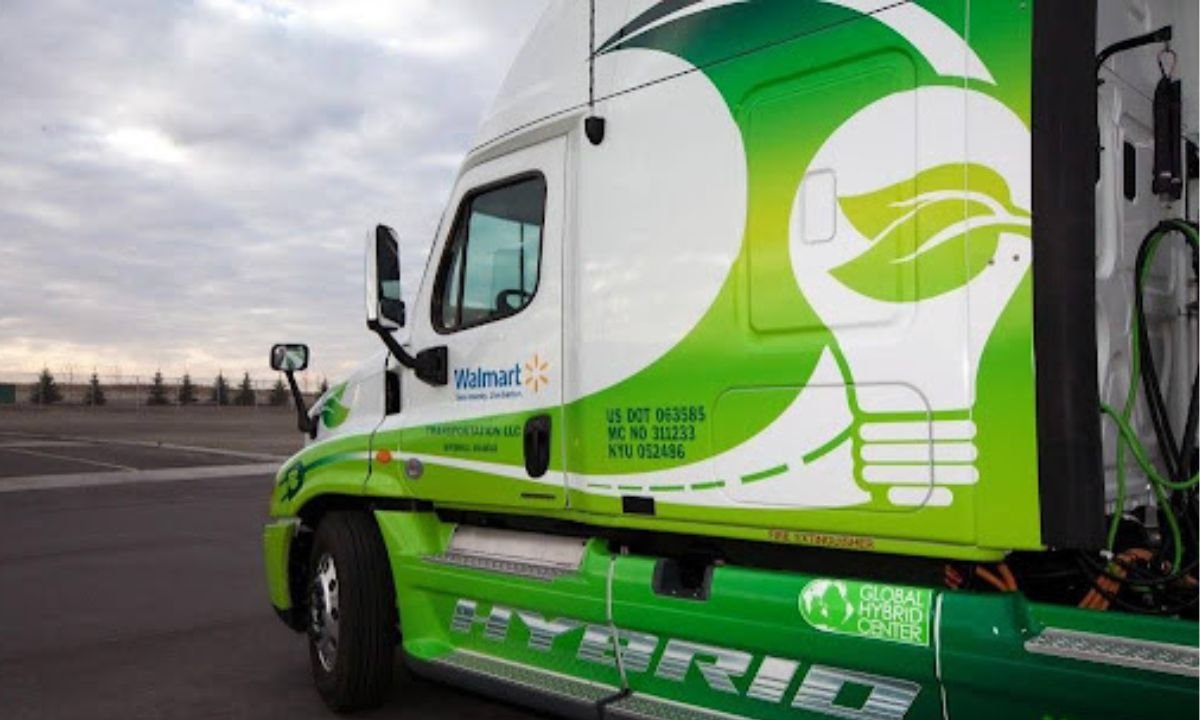
Fleet graphics offer a unique advantage by turning vehicles into mobile advertising platforms. Unlike static placements, these assets move through different areas, reaching a broader and more diverse audience. This continuous exposure can significantly enhance brand recognition.
However, the scale of a fleet introduces complexity. Coordinating multiple vehicles, ensuring consistent design application, and managing installation schedules all require careful planning. Without a structured approach, these challenges can lead to inefficiencies and increased costs.
Understanding Cost Components in Fleet Graphics
Materials and Production
The quality of materials used in fleet graphics has a direct impact on both cost and durability. High-grade vinyl and adhesives are designed to withstand environmental factors such as UV exposure, temperature fluctuations, and road wear. While these materials may have a higher initial cost, they often reduce the need for frequent replacements.
Production processes also play a role. Advanced printing techniques and precision cutting ensure that graphics are applied accurately, contributing to a professional and consistent appearance across the fleet.
Installation and Labor
Installation is a critical phase that requires skilled professionals. Each vehicle must be prepared, aligned, and wrapped with precision to avoid imperfections. Variations in vehicle size and shape can add complexity, influencing both time and labor costs.
Standardizing vehicle models where possible can help streamline installation, reducing both time and expense while maintaining consistency.
A Practical Approach to Fleet Graphics Cost Planning
Businesses seeking clarity on budgeting often benefit from structured resources. For example, taking the time to read a guide about fleet graphics cost can provide a detailed breakdown of expenses and considerations. These guides help organizations understand how different factors—such as materials, labor, and maintenance—contribute to the overall investment.
By analyzing these components, companies can make informed decisions about where to allocate resources. This approach ensures that the final outcome aligns with both budget constraints and branding objectives.
Infrastructure and Operational Efficiency
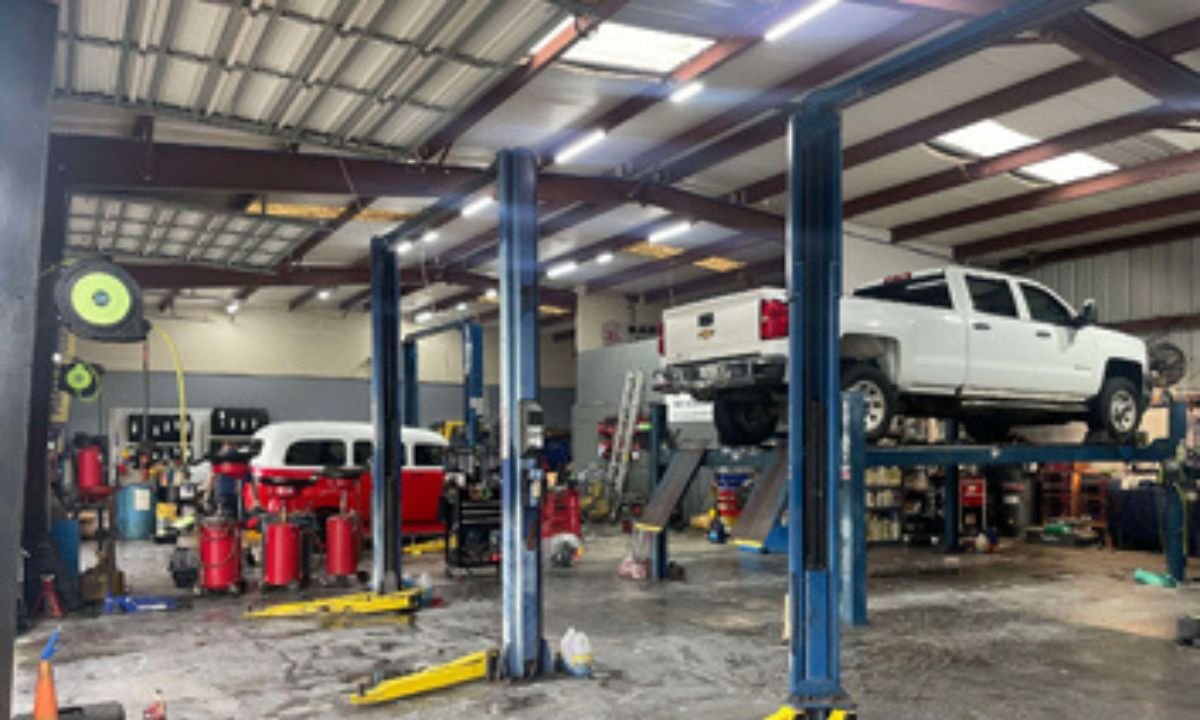
Fleet branding is closely tied to infrastructure planning. Scheduling installations, managing vehicle downtime, and coordinating logistics all influence the efficiency of the project. A well-organized approach can minimize disruptions and keep operations running smoothly.
Insights from industrial infrastructure planning, such as those discussed in this look at infrastructure solutions in heavy-duty environments, highlight the importance of durability and efficiency. These principles are equally relevant when managing fleet branding projects at scale.
The Role of Connectivity and Systems Integration
Modern fleet operations increasingly rely on connected systems to manage performance and logistics. From tracking vehicle locations to monitoring maintenance schedules, these technologies provide valuable data that can improve efficiency.
Understanding how these systems work is essential for optimizing fleet branding efforts. A resource like this guide to industrial networking fundamentals offers insight into how connectivity supports complex operations. Applying these concepts to fleet management can enhance coordination and reduce operational challenges.
Balancing Cost with Long-Term Value
One of the key considerations in fleet graphics is balancing initial investment with long-term benefits. While the upfront cost may seem significant, the ongoing exposure provided by branded vehicles can deliver substantial returns. Evaluating this balance requires a comprehensive view of both costs and potential impact.
Maintenance plays a crucial role in preserving this value. Regular cleaning and occasional repairs help maintain the appearance of graphics, extending their lifespan and ensuring consistent brand representation.
Challenges in Scaling Fleet Branding
Scaling fleet branding introduces several challenges, including maintaining consistency across multiple vehicles and managing variations in vehicle types. These factors can complicate both design and installation, requiring careful planning and coordination.
Another challenge lies in adapting to different operating environments. Vehicles may be exposed to varying conditions, from urban traffic to harsh weather, making durability a key consideration. Addressing these challenges requires a combination of high-quality materials and precise execution.
Future Trends in Fleet Graphics and Cost Optimization
The future of fleet graphics is likely to be shaped by advancements in materials and technology. Innovations in vinyl durability, digital printing, and automated installation processes are expected to improve efficiency and reduce costs. These developments will make fleet branding more accessible and scalable.
Sustainability is also becoming an important factor. Eco-friendly materials and processes are gaining traction, reflecting a broader shift toward responsible production. As these trends continue to evolve, businesses will have more options for balancing cost with environmental considerations.
Conclusion
Fleet graphics represent a powerful opportunity for businesses to extend their brand presence and connect with audiences in a dynamic way. However, achieving success requires more than creative design—it demands careful planning, efficient execution, and a clear understanding of costs.
By taking a strategic approach to cost planning and infrastructure management, organizations can maximize the value of their investment. As technology and fabrication techniques continue to advance, the potential for effective and efficient fleet branding will only grow, offering new opportunities for businesses to stand out in a competitive landscape.